
Physical AI Training Data
Get high-quality, human-annotated sensor, robot, and motion data built for machines that move and act in the real world.
LXT delivers the training data Physical AI systems need to perceive environments, plan actions, and operate safely. From robotic arms on factory floors to autonomous vehicles on public roads, we collect, annotate, and validate multimodal data across sensor types, environments, and edge conditions so your models are ready for deployment in the physical world.
Our Physical AI training data by modality
Audio
Spoken commands and natural language instructions for robot task execution
Acoustic event detection for situational awareness in robot deployments
Environmental sound classification for indoor and outdoor settings
Video
Ego-perspective and third-person robot camera footage with frame-level annotation
Obstacle, object, and human detection in dynamic environments
Long-form procedural video for step-by-step task learning
Object interaction and motion sequence labeling
Images
RGB imagery with bounding boxes, segmentation masks, and keypoints
Pose and joint annotation for human and robot body tracking
Object state and affordance labeling for manipulation models
Depth and disparity map annotation for spatial perception
Text
Written task instructions and command datasets for robot planning models
Scene and environment descriptions for grounded language understanding
Preference and feedback annotations for robot behavior evaluation
Synthetic and human-authored prompt-response pairs for embodied AI agents
Multimodal
Vision-language datasets for instruction-following robots
Time-aligned video and audio annotation for multi-sensor scenarios
Image and text pairing for environment description and grounding tasks
Why leading AI teams choose LXT for Physical AI training data

Real-World Data Collection
We run structured field collection programs indoors, outdoors, and in controlled environments, capturing the sensor diversity Physical AI models need.

Multimodal Expertise
Our annotation teams work across 2D, 3D, and temporal data types, covering the full range of tasks that Physical AI pipelines require.

Flexible Contributor Profiles
We match contributors to your task requirements: specific locations, device types, demographic criteria, or everyday consumer environments.

Secure Data Delivery
ISO 27001-certified processes, GDPR-compliant workflows, and secure delivery infrastructure for sensitive physical environment data.

Scalable, Fast Turnaround
Global crowd of 10M+ contributors across 150+ countries means we can scale quickly without sacrificing quality.

Multi-Pass Quality Assurance
Every dataset goes through structured QA, from inter-annotator agreement checks to sensor-specific validation protocols.
Where Physical AI needs purpose-built training data
Physical AI differs from software-only AI by operating in and acting upon the real world. Perception, planning, and physical execution each require training data that reflects real environments, real physics, and real edge cases. Below are examples of Physical AI architectures and the training data needs they present.
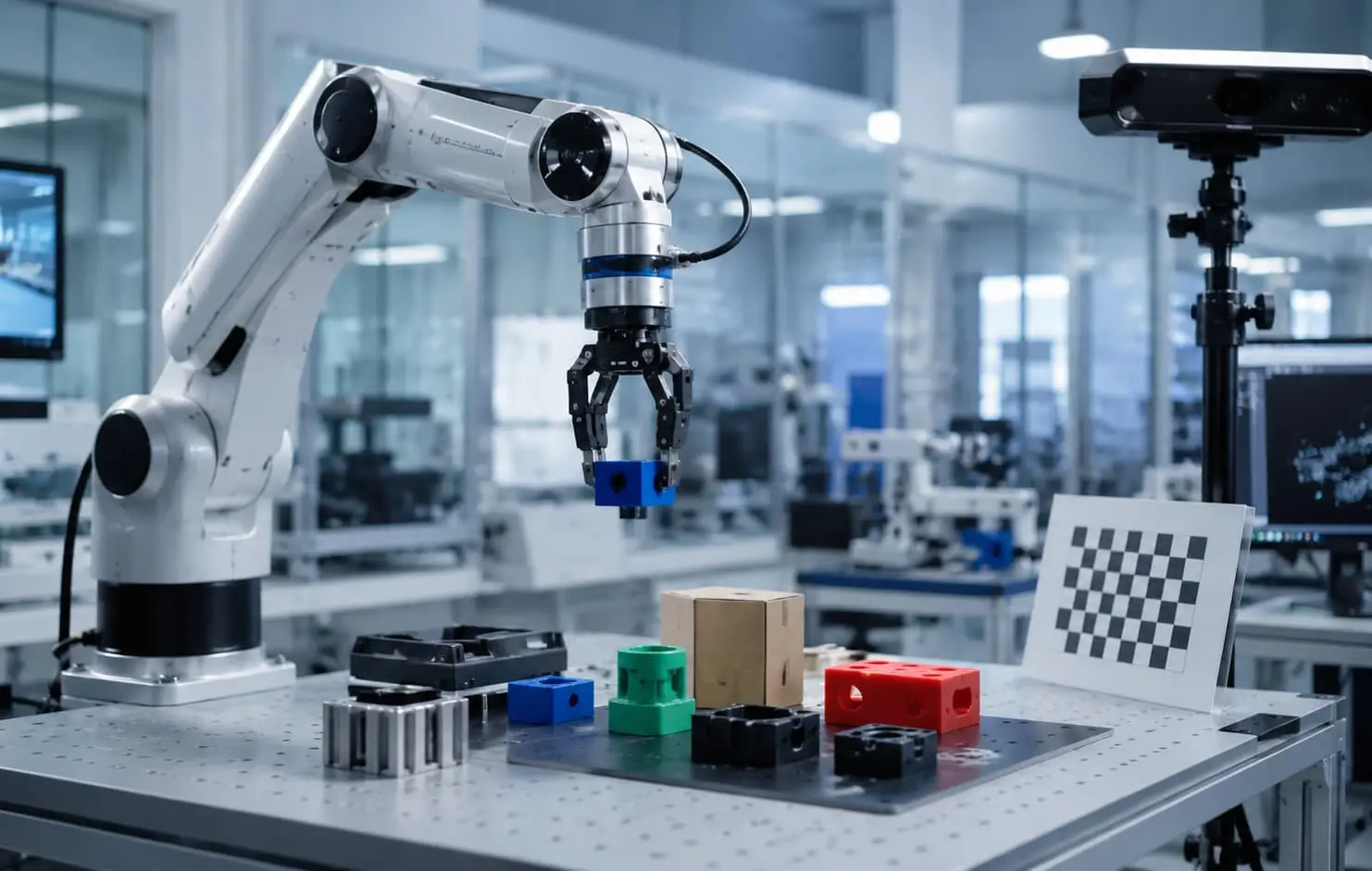
Robotics & Manipulation
Robot arms, grippers, and mobile platforms that interact with objects and environments.
What You Need:
Object detection, pick-and-place sequences, workspace mapping, grasp labeling
LXT Delivers:
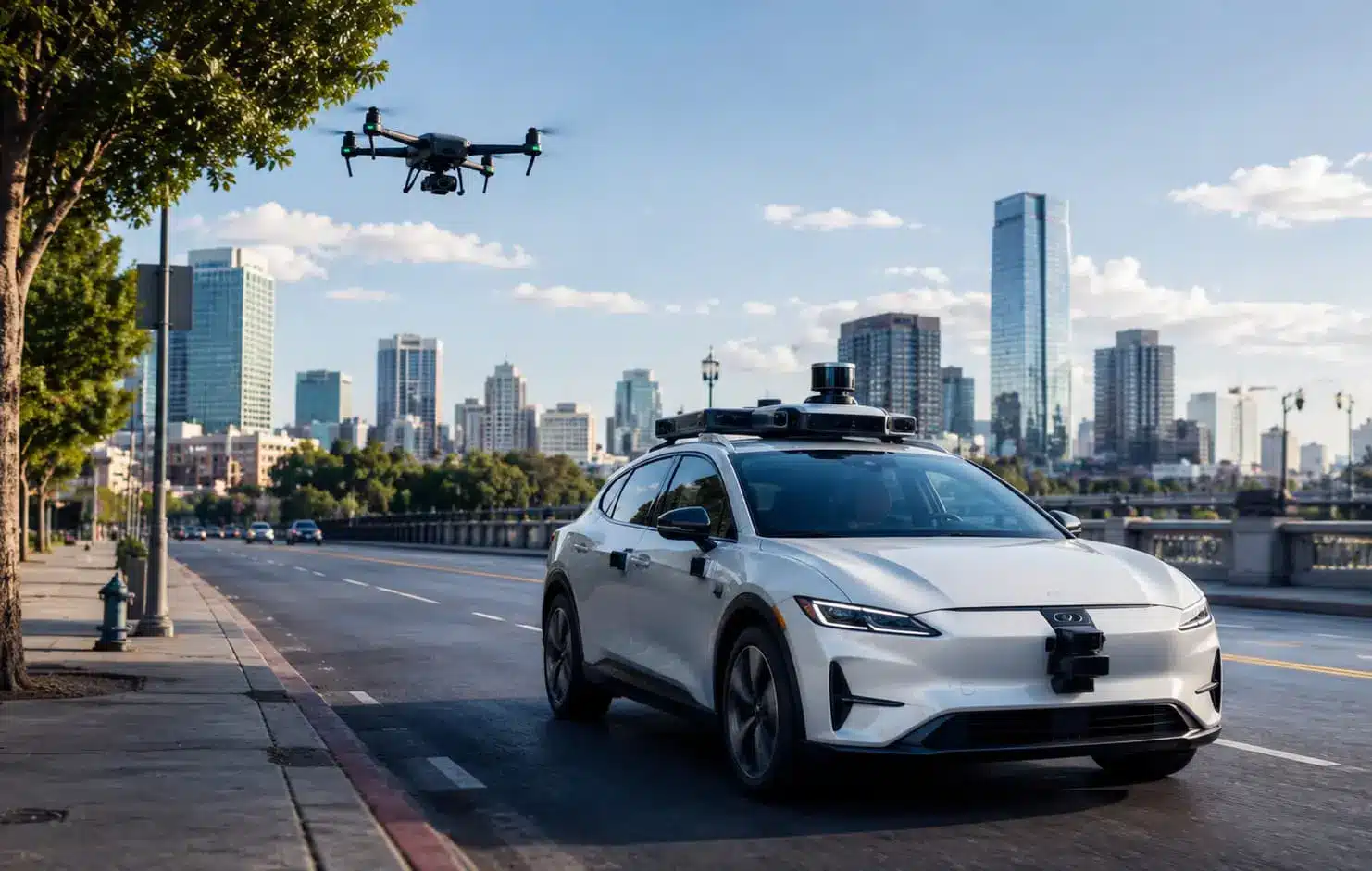
Autonomous Vehicles & Drones
Vehicles and aerial systems that navigate real-world environments without human input.
What You Need:
Scene-level and object-level annotation, edge-case coverage, sensor data annotation
LXT Delivers:
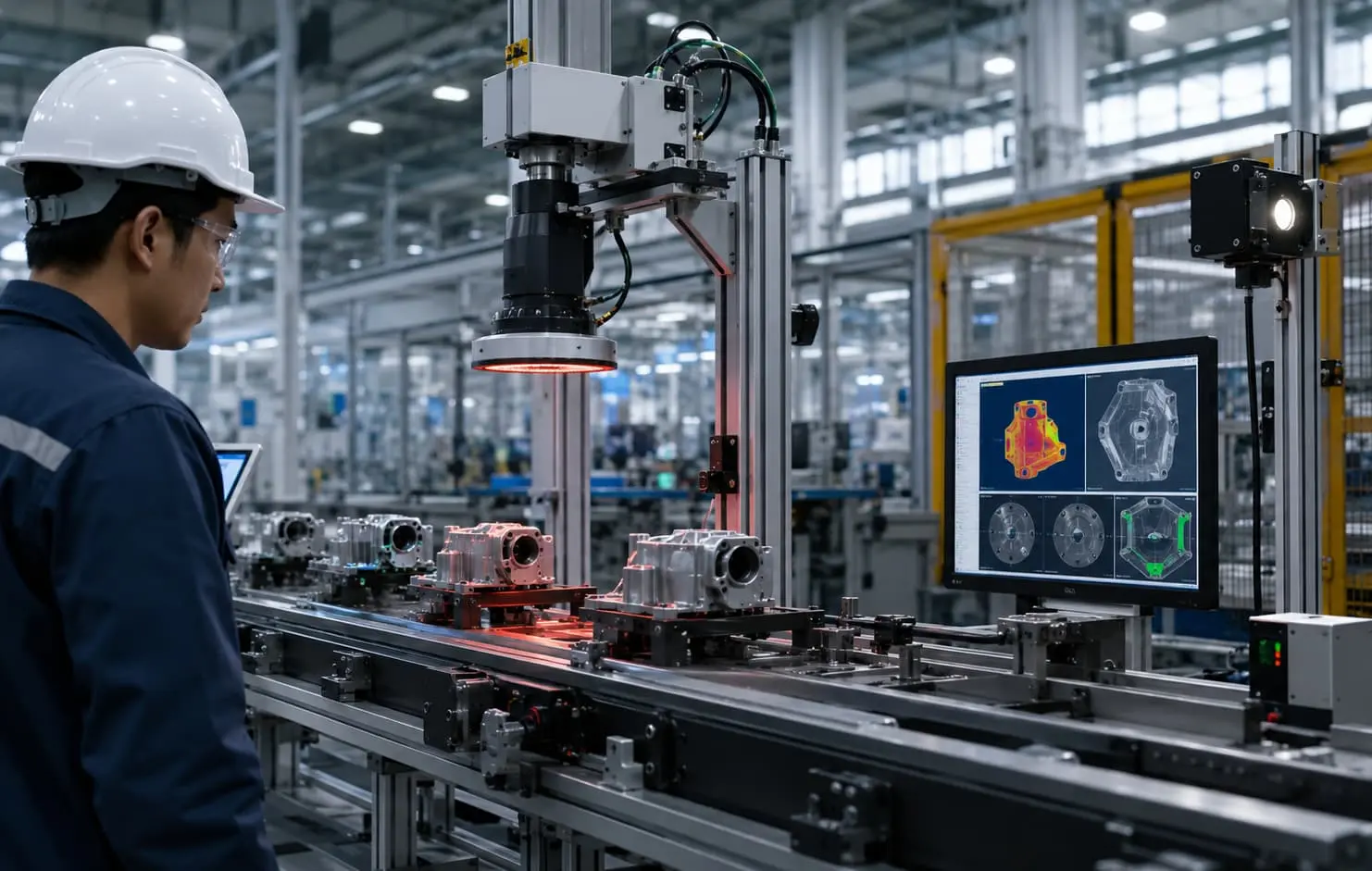
Industrial Automation
Factory and warehouse systems that monitor, inspect, and act on physical processes.
What You Need:
Anomaly and defect detection data, process monitoring sequences, visual inspection datasets
LXT Delivers:

Smart Devices & Wearables
Edge AI systems embedded in consumer and medical devices that respond to user motion and context.
What You Need:
Gesture and activity recognition data, IMU sequences, contextual environment data
LXT Delivers:

Humanoid Robots
Embodied AI systems designed to operate in human environments and alongside people.
What You Need:
Whole-body motion data, human behavior datasets, scene interaction sequences
LXT Delivers:
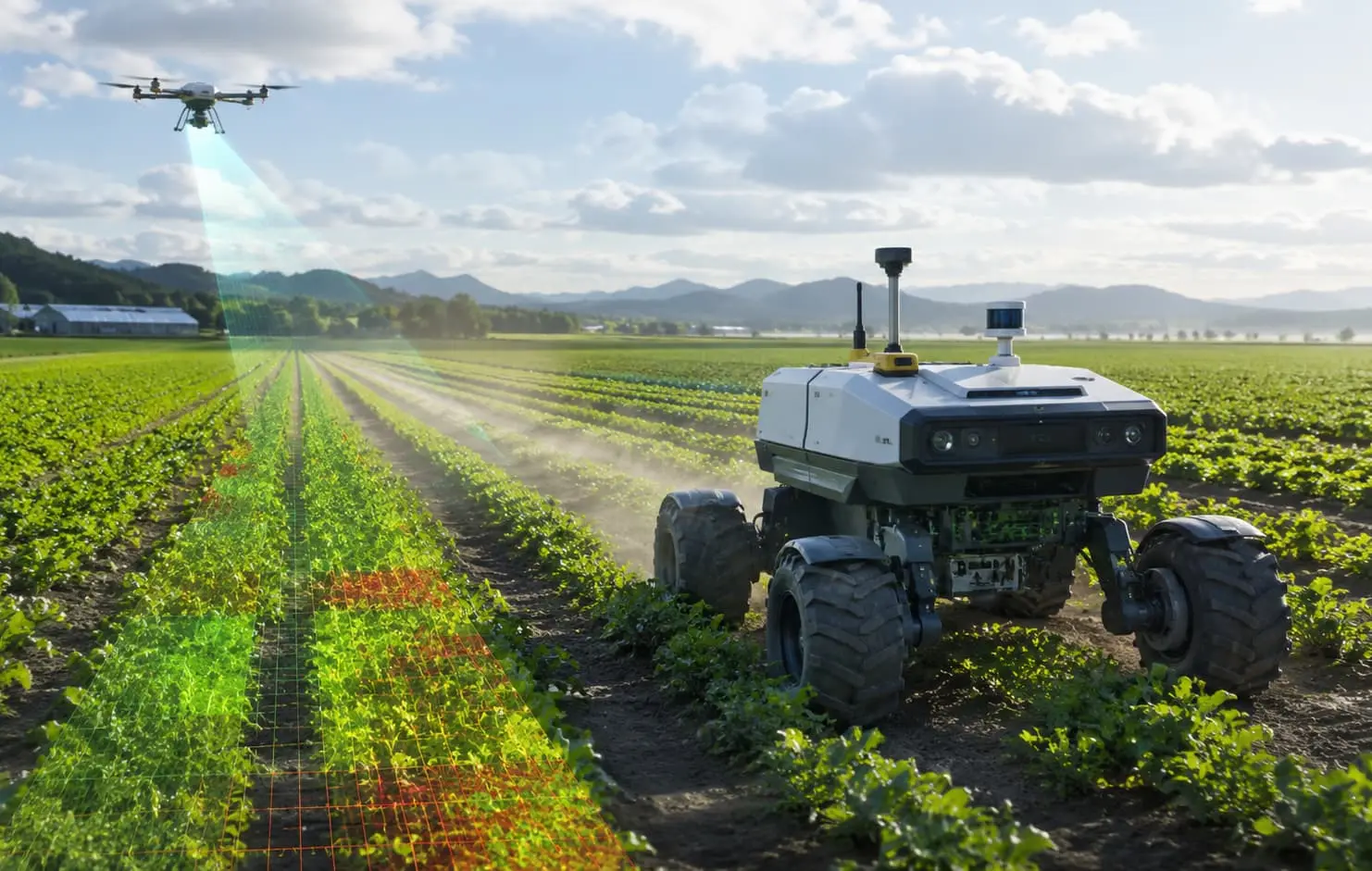
Agricultural & Outdoor Robotics
Robots operating in unstructured, variable outdoor environments for farming and field automation.
What You Need:
Multi-condition sensor data, terrain and crop classification, GPS-fused annotation
LXT Delivers:
How we deliver Physical AI training data
Every Physical AI data project at LXT follows a structured process, from the first conversation to final delivery and beyond.
Step-by-Step Process

1. Discovery & Requirements
We start with a conversation to understand your use case, data requirements, quality standards, and timelines. No assumptions, no templates. Just a clear picture of what your models actually need.

2. Proposal &
Contract
You receive a detailed proposal covering scope, methodology, contributor criteria, and delivery milestones. Once aligned, we move to contract.

3. Project Setup & Contributor Onboarding
Our project managers set up the project infrastructure and onboard the right contributors, screened and qualified specifically for your task: the right locations, device types, or physical environments.

4. Test Run
Before full-scale execution, we run a short pilot. A defined first batch of data is collected and annotated, reviewed by your team and ours, and signed off on before the project scales.

5. Full Execution & Delivery
With the pilot approved, the project runs at scale. Data is delivered in your required format: structured, documented, and ready for your training pipeline.

6. Monitoring & Feedback
We monitor the project throughout and stay in regular contact with your team. If anything does not meet your expectations, we address it immediately.
Quality assurance in Physical AI training data projects
Physical AI models operate in safety-critical environments. A mislabeled obstacle or a missed sensor event can have real-world consequences. That is why LXT applies rigorous, multi-layered QA to every physical AI data engagement.
- Structured multi-pass review workflows
Each dataset passes through layered review stages involving trained annotators, QA specialists, targeted spot checks, and technical validation points. - Reference tasks for consistency
Known-answer tasks are embedded throughout production to monitor annotation quality, flag drift, and ensure labeling standards hold across the full dataset. - Expert calibration
Domain specialists refine annotation guidelines and oversee complex labeling tasks to ensure instructions are precise and consistently applied. - Data analytics dashboards
Project managers and clients have visibility into labeling accuracy, inter-annotator agreement, throughput metrics, and issue tracking across every stage of delivery.


Enterprise-grade security
& compliance
- ISO 27001 Certified
Our information security processes meet international certification standards. - GDPR Compliant
All contributor data and collection activities follow GDPR requirements, with a standardized framework for obtaining and storing participants' consent using accessible, task-specific language. - Secure Facilities
For sensitive on-site collection, we operate in access-controlled environments with audit trails. - Data Residency Options
We support regional data handling requirements for customers in regulated markets.
Real-World use cases for Physical AI training data
Physical AI training data powering real-world systems, across industries and applications.
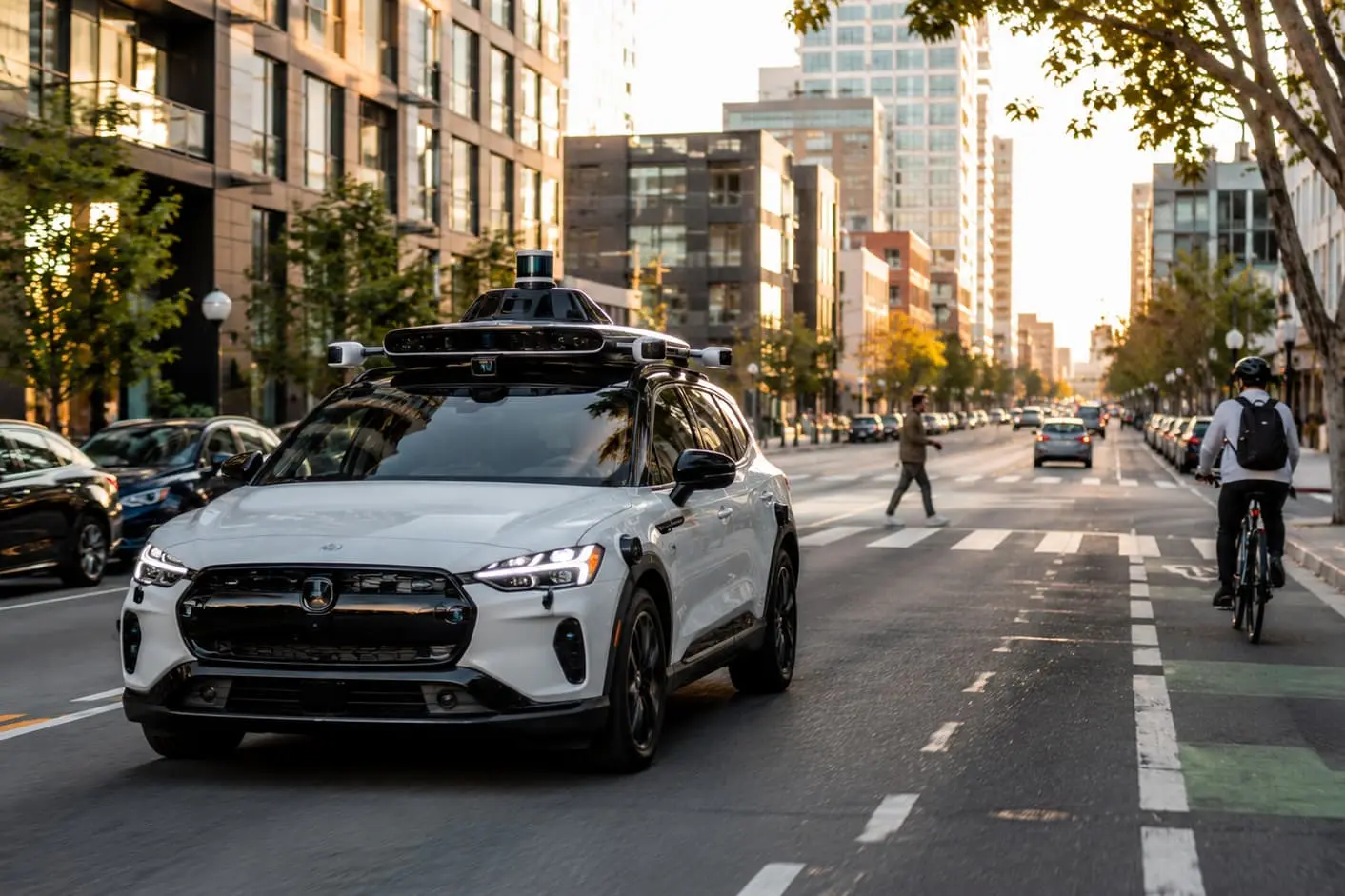
Autonomous Vehicle Perception
Train models to understand and respond to complex road environments and edge conditions.
→ LiDAR point cloud annotation, 3D bounding boxes, lane and drivable surface segmentation, object and pedestrian labeling
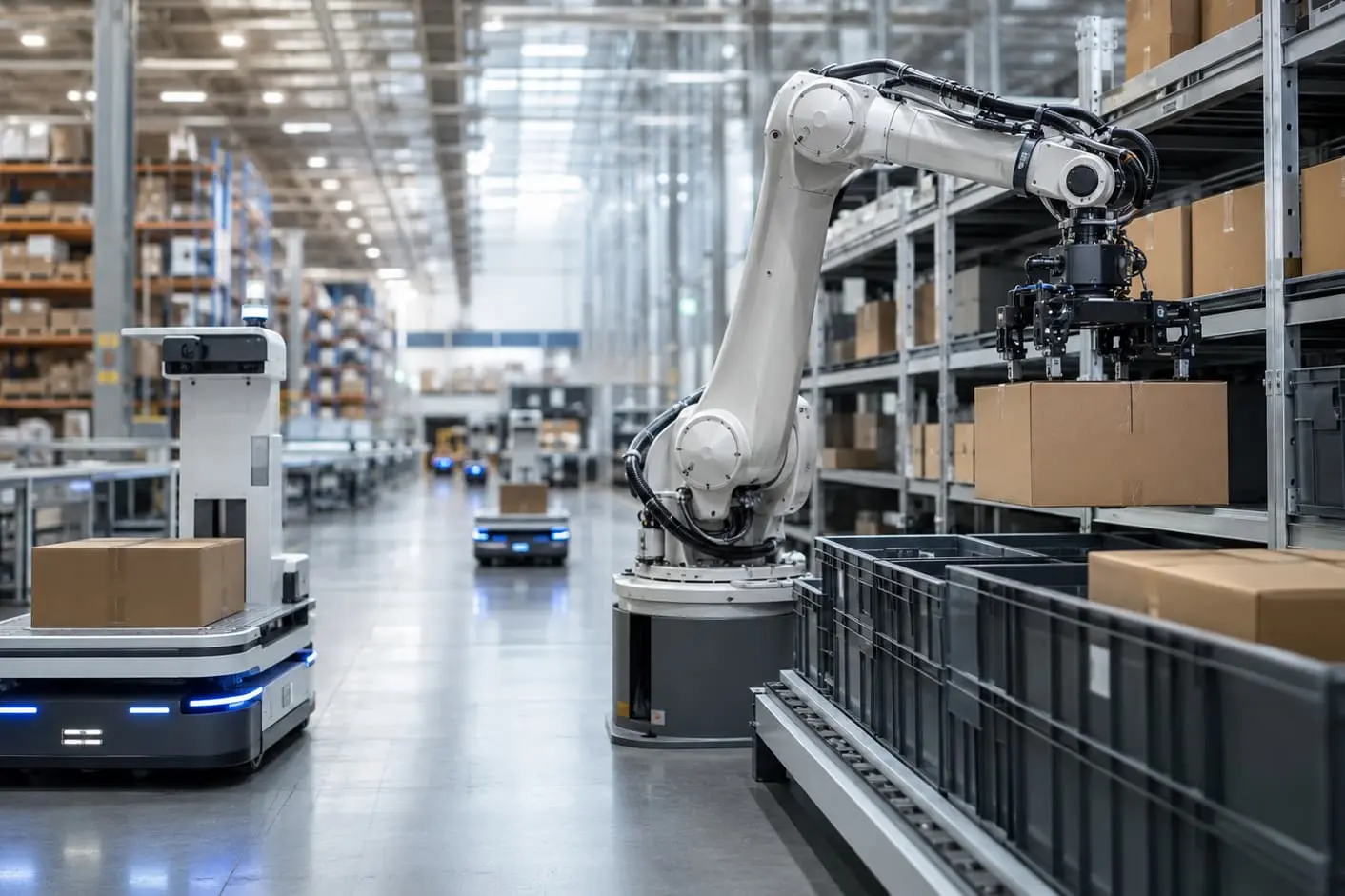
Warehouse & Logistics Robotics
Enable robotic systems to operate reliably in dynamic fulfillment environments.
→ Object detection and grasping datasets, shelf and bin annotation, motion sequence labeling, depth map annotation

Surgical & Medical Robotics
Support the development of robotic systems that assist surgeons and operate in clinical settings.
→ Instrument tracking annotation, tissue segmentation, procedural video labeling
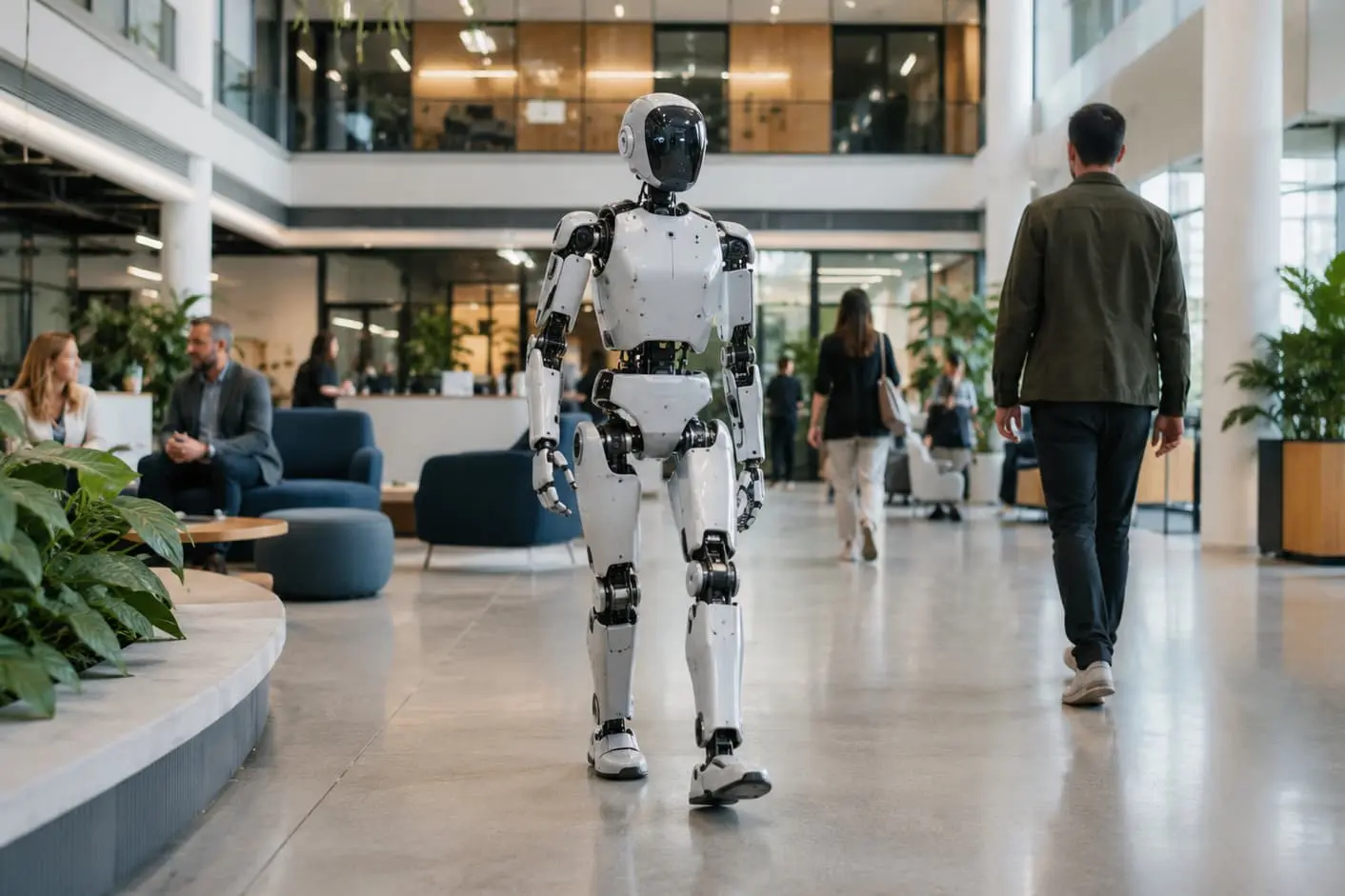
Humanoid Robot Navigation
Train embodied AI systems to move safely and purposefully through human environments.
→ Motion sequence annotation, obstacle avoidance datasets, scene interaction labeling, human proximity data
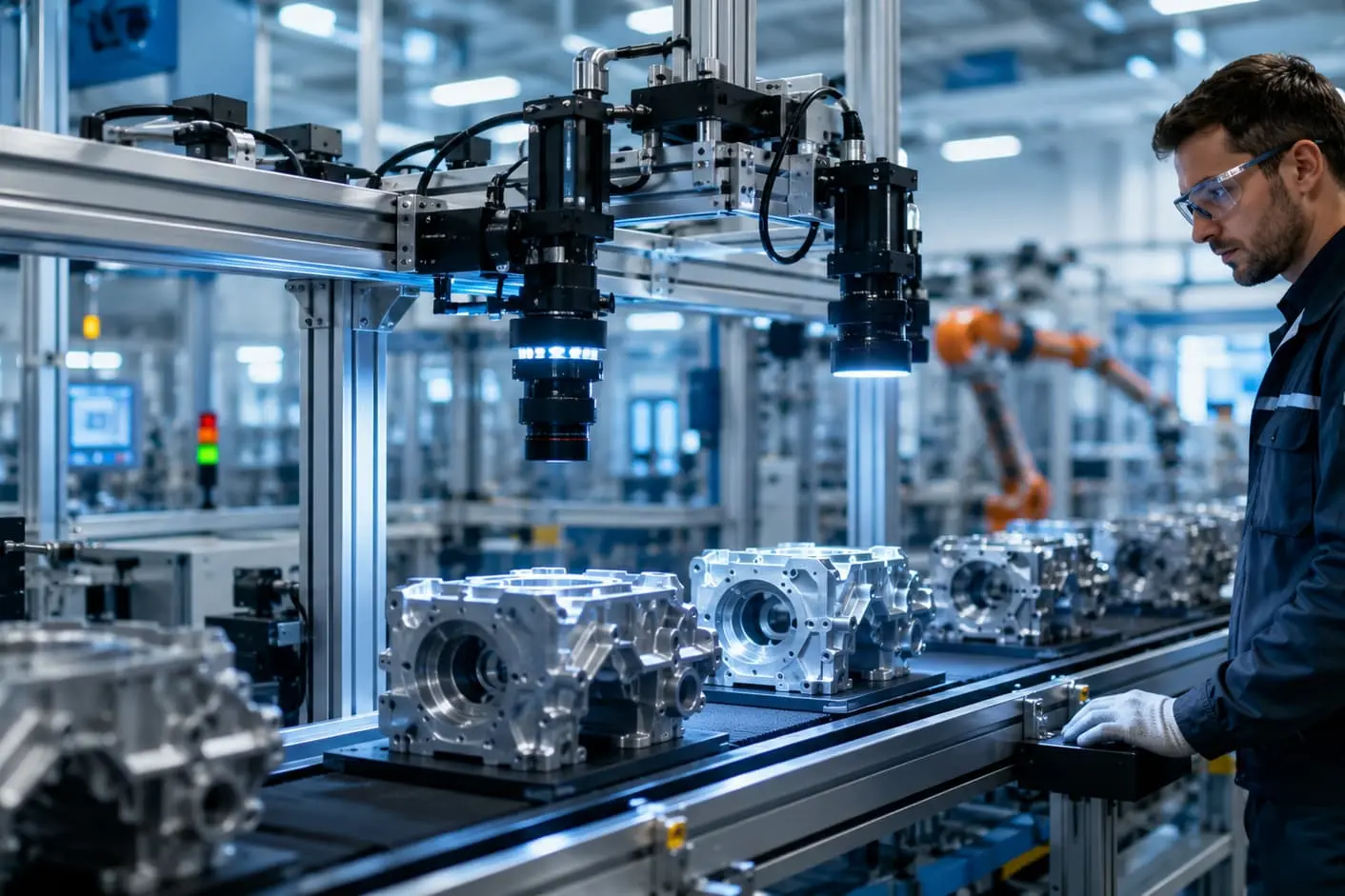
Industrial Quality Inspection
Power vision systems that identify defects and flag anomalies on production lines.
→ Defect and damage annotation, video labeling for process monitoring, anomaly detection datasets
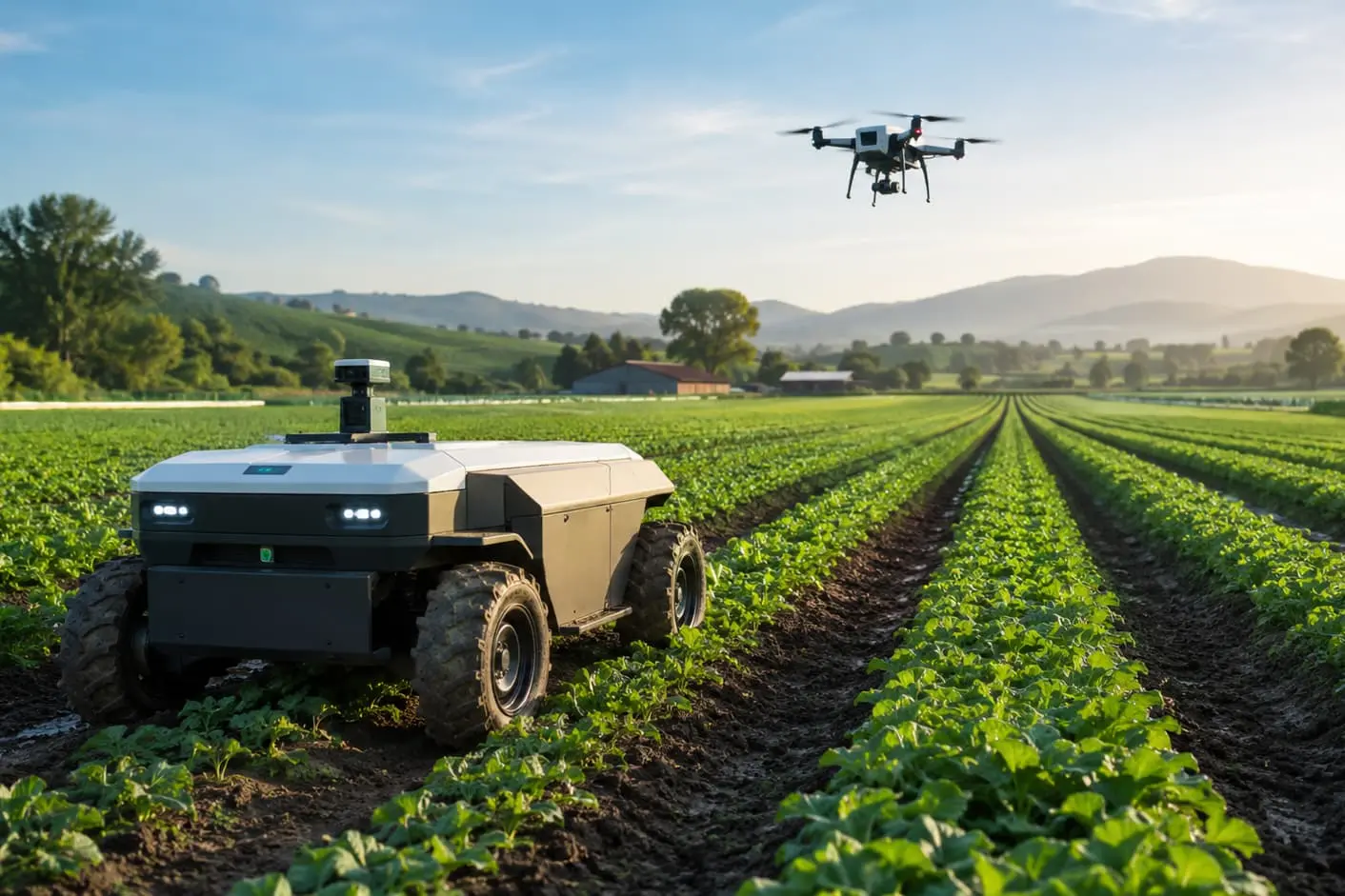
Agricultural Robotics
Build models for autonomous farming equipment that operates across varied terrain and growing conditions.
→ Multispectral and RGB crop imagery annotation, terrain classification, GPS data collection, outdoor video labeling
FAQs on our Physical AI training data services
For data collection, LXT works with standard consumer and mobile devices, including smartphones, RGB cameras, and microphones. For specialized sensors such as LiDAR, IMU, depth cameras, or force/torque sensors, we operate with equipment provided by the client. Annotation and evaluation services are available across a broader range of sensor data types.
Yes. We design collection programs for specific environments, including indoor settings, outdoor urban or rural locations, and controlled test environments. Our contributors can complete on-site tasks in their local surroundings using the LXT app. For sessions requiring moderation or specialized facilities, we also offer in-person collection at our secure data collection facilities or at the client's site.
Our annotation teams are trained on 3D labeling workflows including point cloud segmentation, 3D bounding boxes, and cuboid fitting. For temporal data, we handle frame-by-frame and track-level annotation with consistency checks across sequences.
We deliver in the format your pipeline requires. Common outputs include KITTI, nuScenes, COCO, and custom schemas. Please speak to our team about your specific format requirements during the scoping phase. *(Note to content team: please ask Amr to confirm and expand this list.)*
We apply multi-pass QA including inter-annotator agreement, statistical sampling, domain-expert review, and acceptance thresholds. For safety-critical use cases, we offer additional validation layers and documented QA audit trails.
Timelines depend on scope, modality, location, and volume. Most projects begin with a test run to validate protocols before scaling. We provide delivery milestones at the scoping stage.
Reliable AI Data at Scale – Guaranteed
Physical AI moves fast. Your data supply chain needs to keep up.
From our blog
Generative AI solutions in automotive, and the data to power them
With the Generative AI for Automotive event in Munich having just concluded, we thought we would take a broad look at how AI and its powerful counterpart, generative AI,…
Read more
How computer vision creates a safe and secure driving experience
Most anyone who’s driven for any length of time has been told to “keep their eyes on the road.” With the advent of connected cars and…
Read more
Automotive Innovation: Highlights from the InCabin conference
Earlier this month I attended the InCabin conference in Phoenix sponsored by Sense Media. The focus of the event was to highlight automotive innovations, including driver…
Read more
AI data collection methods & techniques: Four approaches for effective algorithm training
Artificial intelligence (AI) applications are built using machine learning algorithms, and these algorithms are trained with datasets. Sometimes the data you have on hand may not…
Read more